The Evolution of Traditional Marketing: How It Shaped the Way We Advertise Today
Traditional marketing has been around much longer than most people realize. In fact, historians trace early forms of advertising back thousands of years, long before the internet, television, or even newspapers existed. According to the American Marketing Association, merchants in ancient civilizations used signs, symbols, and public announcements to promote goods as early as 1500 BCE (American Marketing Association). These early methods laid the foundation for what we now call traditional marketing.
Early Beginnings: Marketing in Ancient Times
The earliest known advertisements were simple but effective. Archaeologists have found carved stone signs in ancient Egypt promoting goods and services (Smithsonian Magazine). In ancient Greece and Rome, sellers used town criers—people who shouted announcements in busy streets—to spread messages to the public.
These early tools show that traditional marketing has always been about one thing: getting the right message in front of people where they already are.
The Printing Revolution: A Major Turning Point
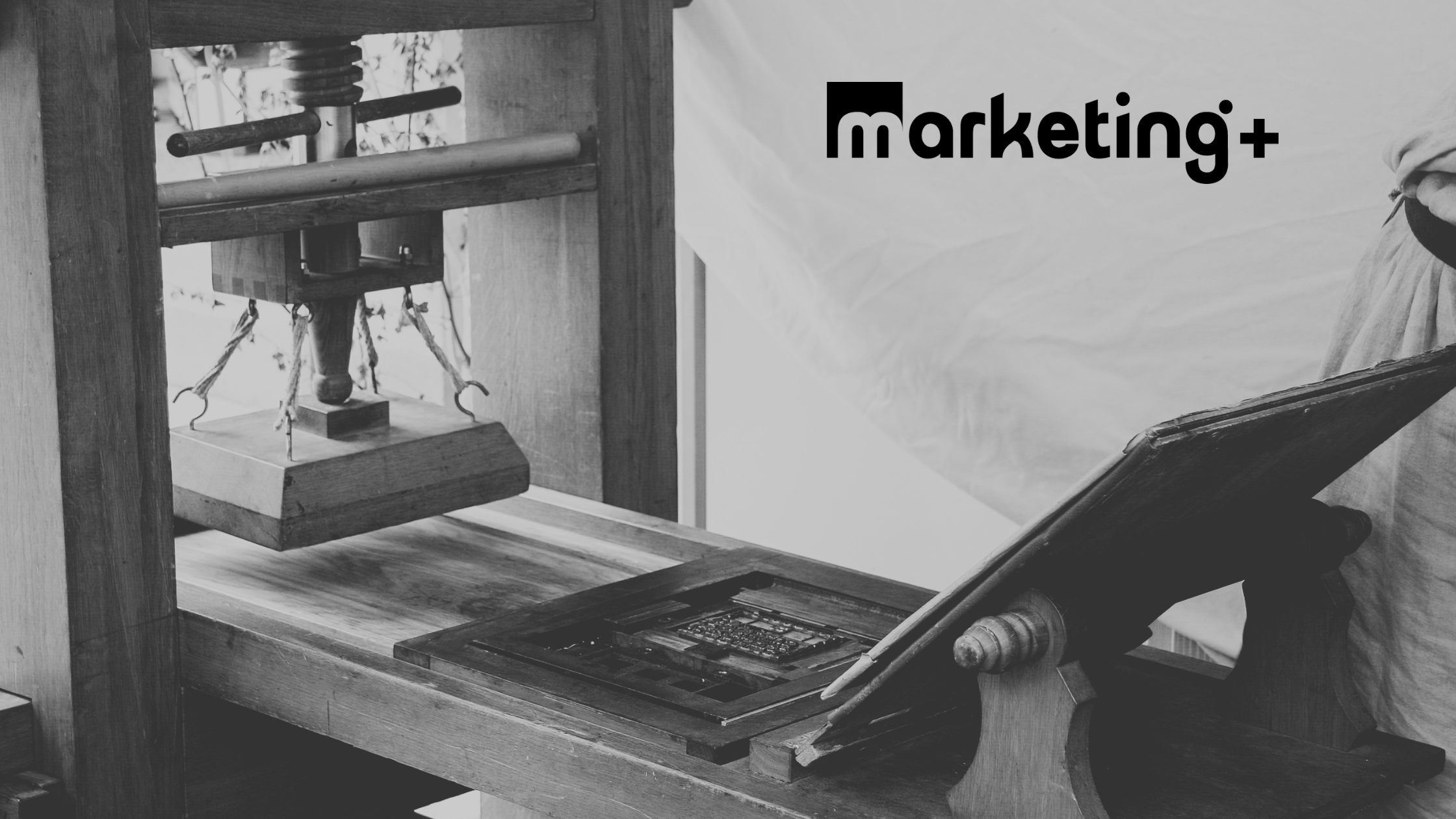
Traditional marketing took a huge leap forward in the 1400s when Johannes Gutenberg invented the printing press. This made it possible to create posters, flyers, and printed ads more quickly and cheaply. By the 1600s, the first newspaper ads appeared in Europe (History.com).
For the first time, businesses could reach large groups of people at once. This changed everything. Printed ads became a trusted way to share news, promote products, and build brand awareness.
The Rise of Mass Media: Radio and Television
Fast-forward to the 20th century, and traditional marketing entered a new era. Radio advertising began in the 1920s, and by the 1950s, television commercials were shaping culture and consumer habits. Early TV ads helped create some of the most memorable slogans and jingles in history (Museum of Broadcast Communications).
These new media channels allowed companies to tell stories, show their products in action, and connect emotionally with millions of viewers at once.
Print and Direct Mail: Local, Personal, and Effective
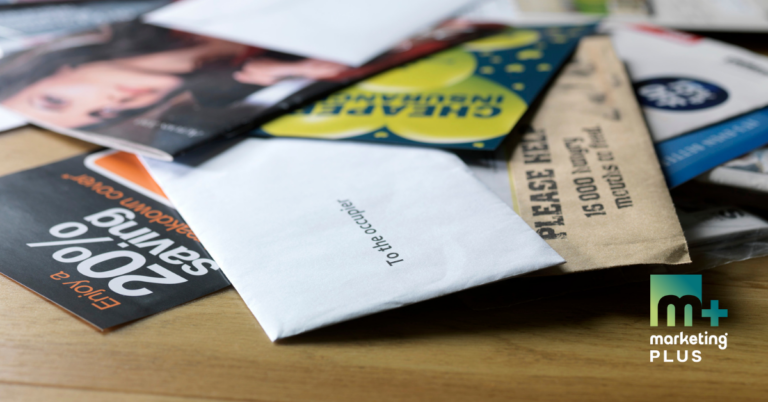
Even as radio and TV grew, print marketing stayed strong. Local newspapers, magazines, and direct mail helped businesses reach specific neighborhoods and interest groups. The U.S. Postal Service reports that direct mail still has one of the highest engagement rates of any marketing channel (USPS Household Diary Study).
Why? Because physical mail feels personal. People tend to notice and remember something they can hold in their hands.
The Digital Shift: A New Layer, Not a Replacement
When the internet arrived, marketing changed again. Digital tools like websites, email, and social media made it possible to reach people instantly and track results in real time.
But here’s the important part: traditional marketing didn’t disappear. Instead, it evolved and blended with digital strategies.
- A billboard builds awareness, while a website provides details.
- A direct mail postcard may include a QR code that leads to an online offer.
- A TV commercial may spark interest, while social media keeps the conversation going.
Traditional marketing creates trust. Digital marketing creates engagement. Together, they create a complete customer journey.
Why Traditional Marketing Still Matters Today
Even in a digital world, traditional marketing remains powerful because it reaches people offline, feels more personal, and builds credibility. It also supports local businesses that rely on community newspapers, radio, and mailers.
According to Nielsen’s Total Audience Report, TV, radio, and print still reach more people each week than most individual digital platforms (Nielsen Insights).
The Future: A Blend of Old and New
Traditional marketing has evolved for thousands of years, and it will continue to adapt. What won’t change is the need for clear communication, strong branding, and messages that connect with real people.
At Marketing Plus, Inc., we help businesses blend the best of both worlds—using the power of traditional marketing alongside smart digital strategies to create results that last. If you’re ready to strengthen your marketing strategy, contact us today.